Last Updated:
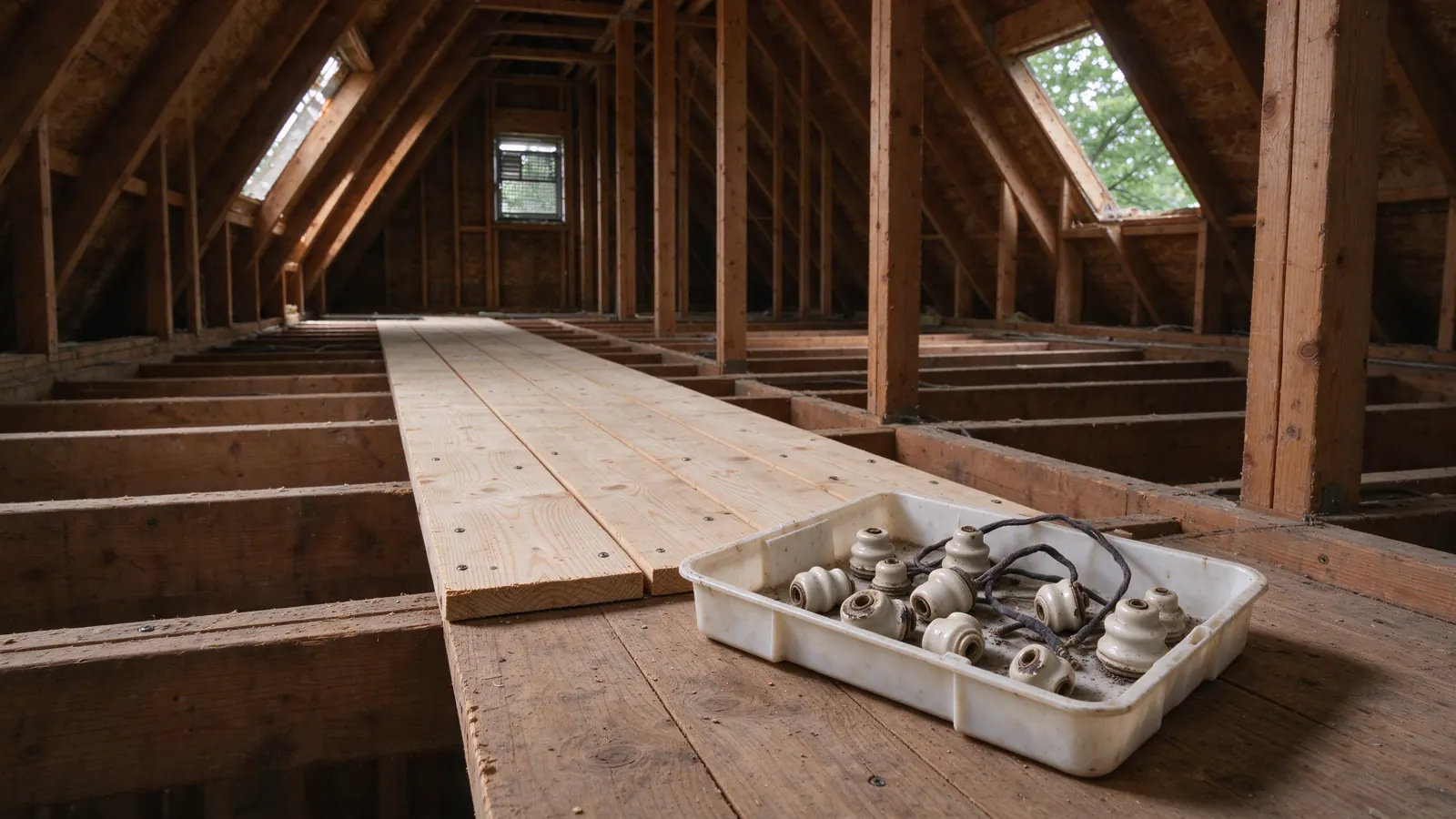
Attic knob and tube replacement before insulation in Chicago starts with establishing what the wiring actually serves and whether it remains active. Old ceramic supports can remain after a circuit is disconnected, while a run that appears unused may still connect to loads elsewhere. Chicago Knob and Tube arranges assessment and manages residential replacement work fulfilled by licensed and insured contractors. We coordinate the electrical scope with the planned insulation work.
Do not cover, move or test old wiring yourself to prepare the attic. Explain what the insulation contractor found and share any existing report. Photographs taken from a safe, accessible position may help describe the issue, but they cannot determine the status of concealed circuits. The next step is a professional assessment of the affected wiring and access conditions.
Find out which attic wires are still in use
The contractor needs to distinguish active wiring from confirmed disconnected remnants. Seeing a cut end is not enough to establish the status of a larger run. Tracing may be needed to identify the lights, outlets or other loads served. Where a route disappears into an inaccessible cavity, the assessment should state what remains unresolved rather than infer a complete circuit from the visible portion.
Ask whether the proposed visit includes the investigation needed for the insulation decision. A limited visual observation and a circuit-tracing assessment are not interchangeable. If further access is required, identify the next step before the insulation schedule assumes the electrical issue has been cleared. Our K&T assessment service explains those scope distinctions.
Finish the required electrical work before insulating
The relevant electrical requirements and actual installation govern whether and how the affected wiring must be addressed before insulation. Do not treat a generic statement about older homes as permission to conceal active K&T. Chicago adopts the relevant electrical framework with local provisions; the contractor should confirm the requirements for the proposed work rather than rely on an assumed exception.
Agree on a clear handoff. The electrician should identify the work completed, any remaining limits and the relevant inspection status. The insulation contractor needs that information before covering the area. If a section remains unresolved, keep that section outside the scheduled concealment until the issue is addressed. A verbal “looks fine” does not replace a defined scope and completion record.
Attic access can be narrower than the floor plan suggests
An attic hatch may open into a space that does not provide safe access to every run. Low clearance, finishes and stored belongings can limit the assessment. Knee-wall spaces may have separate access points. Describe those conditions when requesting the visit, but do not enter an unsafe area or disturb wiring to improve the view.
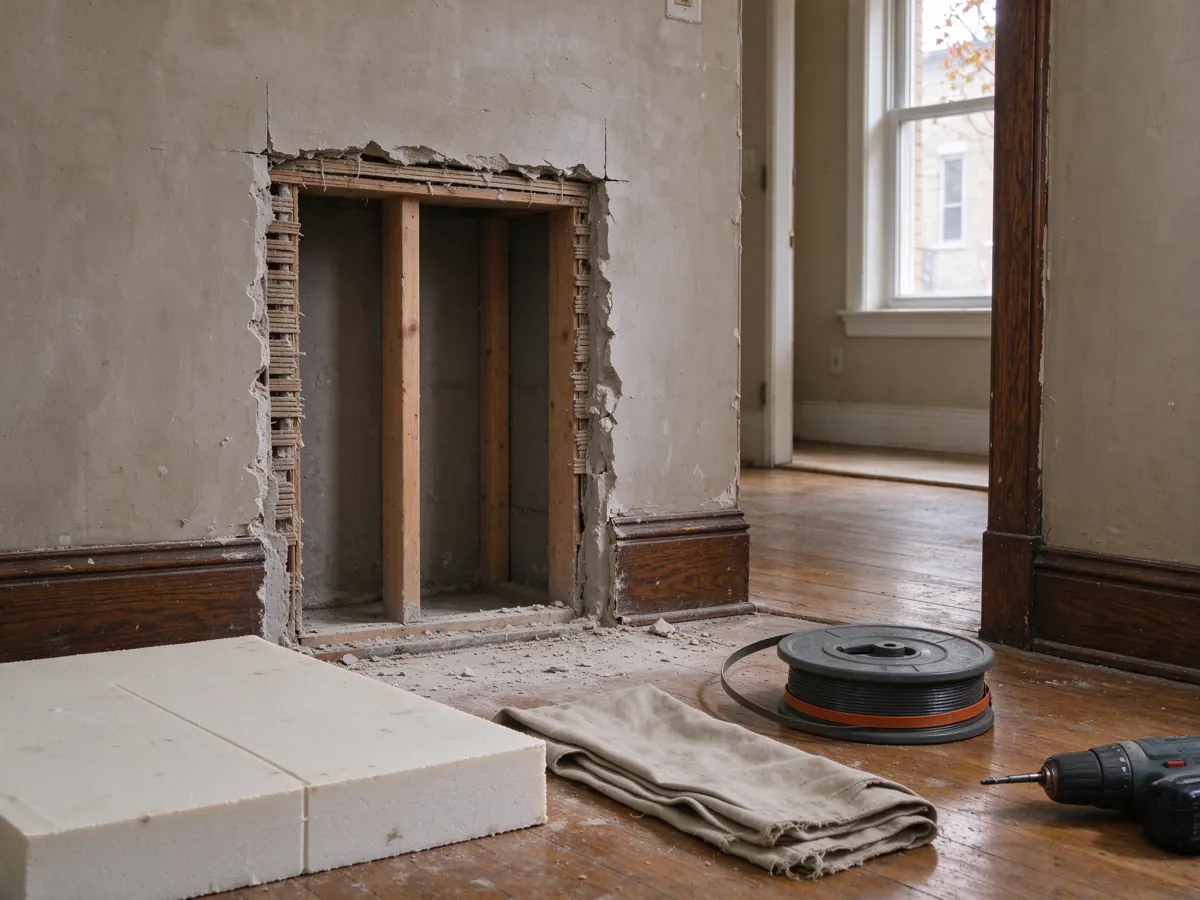
The contractor should explain which areas can be assessed and whether additional access is necessary. If a route passes into a finished attic room, the replacement plan may involve surfaces outside the unfinished storage area. The quote should identify those potential openings and the restoration responsibility. A project called “attic replacement” can still affect ceiling lights or other loads below it.
Follow the circuit beyond the visible attic portion
K&T visible in an attic may serve rooms on another level. Replacing only the exposed segment does not establish that the rest of a branch circuit is new. The contractor needs to determine a suitable scope and any transition to wiring that remains. Ask what loads are included and whether the proposed work leaves known active K&T elsewhere.
If the project is limited, record its verified stopping point. If the insulation deadline is driving a partial stage, make sure the stage can stand on its own safely and meets applicable requirements. Our partial replacement page explains why circuit boundaries matter more than the name of the room in which old wiring was found.
Coordinate air sealing and electrical access
An insulation project may include air sealing, changes around a hatch or work at the boundary of a finished space. Share that plan with the electrician. A route that remains accessible today may be difficult to reach after the other contractor finishes. Electrical work should be sequenced so required access and inspection are preserved.
The contractors have different responsibilities. The electrician determines the electrical work; the insulation contractor defines the building-envelope treatment. The owner or project manager should make sure each knows when the other task changes access. Avoid closing an opening simply because one trade has finished its own portion while the electrical work is still awaiting a required check.
Plan your wiring project
Found old wiring during an inspection or planning a renovation? Tell us about the property and share any report you already have.
Get an Estimate ↗A finished bungalow attic needs its own route plan
In a bungalow, an attic may be storage space, a bedroom or a combination of finished and unfinished areas. The useful route depends on that actual arrangement. Original plaster below the attic may also affect where access would be acceptable. A replacement proposal should explain the anticipated path and the conditions that could require a change.
Ask who restores any opened surface and whether painting is included. A closed opening and a finished visual match are different deliverables. Sensitive trim or decorative ceilings should be discussed before routing is settled. For a broader bungalow project, see bungalow K&T replacement for the relationship between attic use and whole-house scope.
Arrange a separate assessment of suspect materials
Do not identify an unfamiliar attic material by appearance alone. A cloth covering or building age is not an asbestos test. If the insulation project has identified a materials concern, share the findings before electrical work is scheduled. Leave suspect materials undisturbed and arrange the appropriate evaluation before the planned access requires disturbance.
Testing or removal of hazardous materials is not automatically included in a wiring estimate. Identify the responsible professional and the effect on the schedule. The electrical work may need to pause or use another assessed route. Neither the electrician nor the insulation contractor should be expected to solve an undefined materials problem within an unrelated fixed scope.
Plan for power interruptions in rooms below
Attic work can interrupt lights or other loads in occupied rooms below. Tell the contractor about equipment that requires reliable power and discuss the anticipated outage. The affected circuits must be identified before assuming an interruption will stay within the attic. Ask what checks will take place before the circuits return to service.
Clear agreed access paths and arrange entry to the affected rooms. Leave electrical covers and old wiring alone. If there is smoke, visible sparking or a burning smell, leave the affected area and seek emergency help. Routine insulation scheduling should not delay a response to an immediate electrical hazard.
Keep a record before the space is concealed
The completion record should describe the replaced circuits or areas, any confirmed disconnected remnants and any unresolved limits. Retain relevant permits and inspection documentation with the insulation project records. That information can help a future contractor understand what was done without relying on the appearance of a newly insulated attic.
When requesting an estimate, include the insulation proposal and its intended start date. Explain whether the attic is finished and what prompted the wiring concern. We can discuss the necessary assessment and the order of work. A defined electrical handoff is more useful than a promise based only on the attic's size.
Common questions
Can old attic knobs remain after replacement?
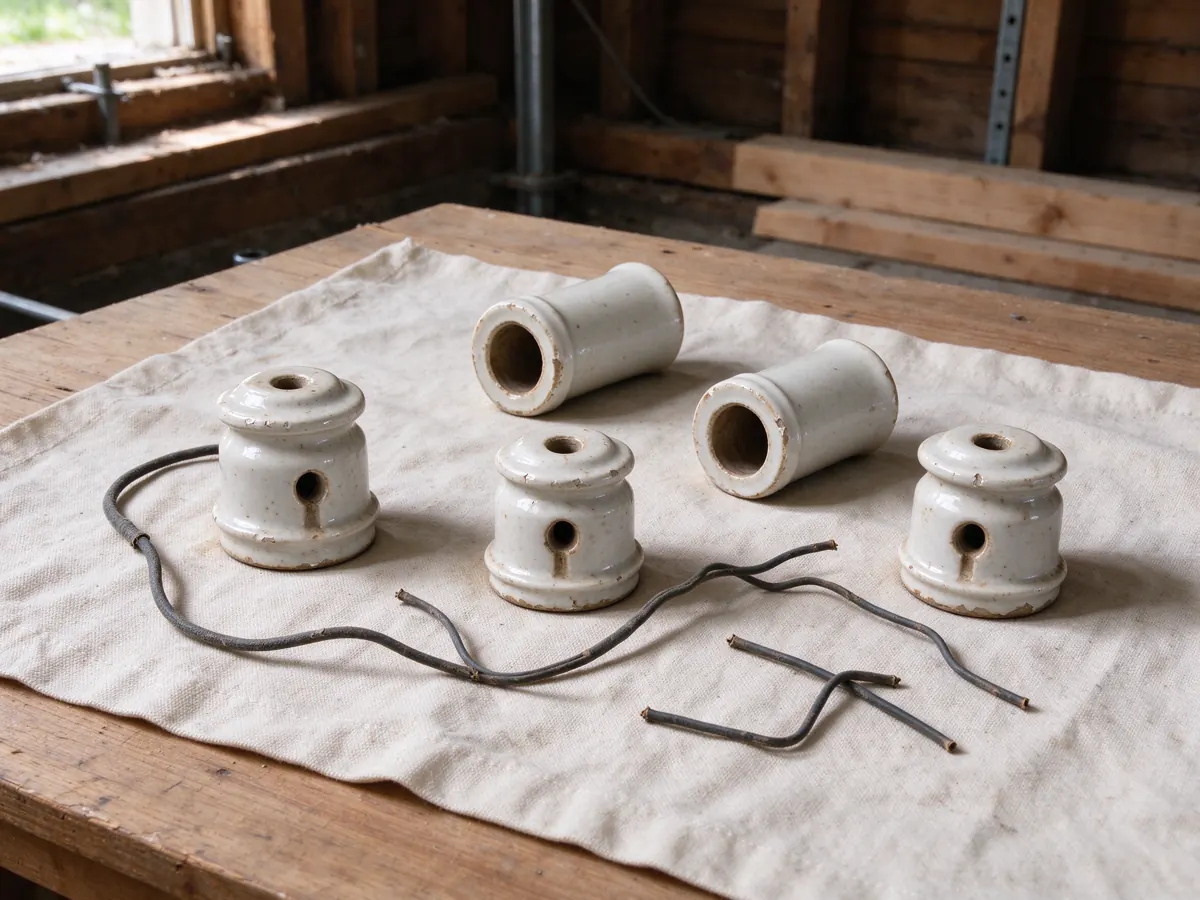
Some disconnected remnants may remain, depending on the agreed work. Their presence does not prove a live circuit, and their status should be established professionally and recorded accurately.
What should happen before insulation covers an attic work area?
The affected electrical scope should be resolved, the necessary work and inspections completed, and remaining limitations communicated. The insulation contractor should receive a clear handoff for the area being concealed.
Does an accessible attic hatch mean every K&T run can be checked?
No. Clearances, finishes and concealed cavities can limit access. The assessment should identify which areas were examined and what remains unresolved.
Can attic electrical work interrupt rooms on another floor?
Yes, affected circuits may supply loads beyond the attic. The contractor should establish those connections and discuss interruptions before work starts.
What should I send with an attic replacement request?
Share the insulation proposal, intended schedule and any electrical report. Describe whether the attic is finished and how it is accessed, without entering unsafe spaces or touching wiring.
Need an estimate for your home?
Get an Estimate ↗